
Traditional production versus lean production
Lean production, such as small batch, cellular manufacturing, and kanban systems, requires minimizing setup times. Manufacturers typically adhere to the Economic Order Quantity (EOQ) principle. EOQ refers to the inventory order quantity that minimizes the total cost of production and storage. In actual production, significant time is spent preparing for production, but this cost can be offset by arranging for large batch production, which is the essence of EOQ. Products produced are stored as inventory before being ordered by customers.
Traditional production believes long setup times and large inventories are necessary, but lean production opposes this approach because storing goods also incurs costs. If defective items are placed in inventory instead of being sold to customers, a large quantity of flawed parts can affect the entire batch, leading to the scrapping of all inventory parts. Additionally, there’s a risk that customers may no longer need these parts, leaving them permanently in inventory, unsellable.
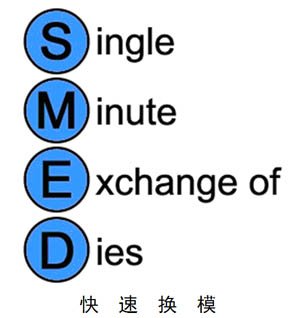
When the volume of parts is excessive, customers often have to wait until the entire batch is produced and equipment is changed to produce what they truly need. When applying lean principles in traditional production, measures must be taken to reduce setup times appropriately.
传统生产认为长时间安装和大量库存是必要的,而精益生产不赞成这种做法,因为储存货物也需要成本。若将次品放入库存而不是卖给客户,大量有瑕疵的零件会影响整批零件,导致所有库存零件报废。也有可能顾客不再需要这种零件,使大量零件永远成为库存,无法再卖出去。
零件产量过大的情况下,顾客通常要等到整批生产完成,机器更换设备,才能生产他们真正需要的产品。在传统生产中应用精益原则时,必须要采取适当的措施来减少安装时间。
如需在厂里进一步培训和实施精益生产,请参考而今课堂课程:KC01 – 而今课堂 (ironage.cn)